
Table of Contents
Motorcycle accidents tend to be sudden, violent, and disorienting. Even experienced riders can find themselves unsure of what to do in the moments after a collision. Unlike drivers in enclosed vehicles, motorcyclists have little protection, which means injuries are often more severe and the stakes are higher from the very beginning. The actions you take immediately after a crash can affect your health, your financial recovery, and your ability to hold the at-fault party accountable.
Prioritize Safety and Assess Your Condition
Your first concern should always be safety. If you are conscious, take a moment to assess your physical condition before attempting to move. Motorcycle crashes often result in head injuries, spinal trauma, or internal injuries that may not be immediately obvious. Sudden movement can worsen these conditions.
If you are in the roadway and it is safe to do so, try to move out of active traffic. However, if you suspect a serious injury, it may be safer to remain still and wait for emergency responders. Removing your helmet should be done carefully and only if it does not cause additional pain or risk.
Adrenaline can mask symptoms. You may feel capable of standing or walking even with serious injuries. Do not assume you are fine simply because you are alert. Take your time and focus on staying calm.
Call Emergency Services Right Away
Contacting emergency services should happen as soon as possible after the crash. Even if the accident seems minor, calling the police creates an official record of what occurred. This report can become a key piece of evidence later if an insurance dispute or legal claim arises.
Emergency medical responders can evaluate you at the scene and determine whether you need immediate treatment. Accepting medical help does not mean you are overreacting. It means you are protecting your health and documenting potential injuries.
If you are unable to make the call yourself, ask a bystander to do it for you. Clear communication is important. Provide your location, explain that a motorcycle accident has occurred, and mention if anyone appears seriously injured.
Avoid Confrontations and Limit Conversations
After a crash, emotions often run high. Anger, fear, or shock can lead to heated exchanges with other drivers. It is important to avoid confrontations, even if you believe the other party caused the accident.
Do not argue about fault at the scene. Do not apologize or make statements that could be interpreted as accepting blame. Even casual remarks can later be taken out of context by insurance companies.
When speaking with the police, stick to the facts as you remember them. If you are unsure about certain details, it is better to say so than to guess. You are not required to provide a detailed narrative on the spot, especially if you are injured.
Document the Scene If You Are Able
If your condition allows, gathering information at the scene can be extremely valuable. Motorcycle accidents are often misunderstood, and clear documentation can help counter assumptions made later.
Use your phone to take photographs or videos of the following:
- Your motorcycle and its position after the crash
- Damage to all vehicles involved
- Road conditions, debris, skid marks, or hazards
- Traffic signs, signals, and surrounding intersections
- Visible injuries
If there were witnesses, ask for their names and contact information. Independent witnesses can provide perspectives that support your version of events, especially if fault is disputed.
Also exchange information with the other driver. This includes name, contact details, insurance information, and vehicle identification. If the driver refuses, make sure the police are aware.
Seek Medical Evaluation Even If You Feel Fine
One of the most common mistakes motorcyclists make is declining medical care because they believe their injuries are minor. Some injuries, such as concussions, internal bleeding, or soft tissue damage, may not produce immediate symptoms.
Seeing a doctor shortly after the accident creates a medical record that links your injuries to the crash. Delaying treatment can give insurance companies an excuse to argue that your injuries were caused by something else.
Follow all medical advice and attend follow-up appointments. Be honest about your symptoms, even if they seem small. Pain that feels manageable at first can worsen over time, especially once the initial shock wears off.
Notify Your Insurance Company Carefully
You will likely need to notify your insurance company that an accident occurred. This should be done promptly, but with caution. Insurance adjusters are trained to minimize payouts, and early statements can be used against you later.
Stick to basic facts such as the date, time, and location of the crash. Avoid giving recorded statements or detailed explanations without understanding your rights. You are not obligated to speculate about fault or injuries.
If the other driver’s insurer contacts you, you are not required to speak with them directly. In many cases, it is better to decline until you have spoken with a legal professional who can guide you.
Preserve Evidence Related to the Crash
Evidence can disappear quickly after a motorcycle accident. Vehicles get repaired, road conditions change, and memories fade. Preserving what you can helps protect your claim.
Do not repair or dispose of your motorcycle until it has been properly documented. Keep your helmet, riding gear, and clothing in the condition they were in after the crash. These items can show the force of impact and support injury claims.
Save all paperwork related to the accident. This includes medical bills, repair estimates, prescriptions, and correspondence with insurance companies. Keeping everything organized can reduce stress later and improve accuracy if a claim is filed.
Be Aware of Common Bias Against Motorcyclists
Motorcyclists often face unfair assumptions after accidents. There is a persistent stereotype that riders are reckless or speeding, even when evidence does not support those claims. This bias can influence insurance adjusters and, in some cases, juries.
Because of this, details matter. Following traffic laws, wearing protective gear, and acting responsibly at the scene can help counter negative assumptions. Clear documentation and witness statements become even more important when bias may be present.
Understanding this reality does not mean you should be defensive. It means you should be prepared and proactive in protecting your interests.
Avoid Social Media and Public Commentary
In the days following a motorcycle accident, it may be tempting to share updates on social media. This can be a mistake. Insurance companies sometimes monitor online activity and use posts to challenge injury claims.
Photos, comments, or casual statements can be misinterpreted. A single image of you smiling or attending an event may be used to argue that your injuries are not serious, even if the photo does not reflect your actual condition.
It is generally best to avoid posting about the accident or your recovery until your case is resolved.
Understand the Importance of Legal Guidance Early On
Motorcycle accident cases can be complex. They often involve serious injuries, significant medical expenses, and disputes over liability. Waiting too long to seek legal guidance can limit your options.
An experienced personal injury lawyer can help you understand your rights, communicate with insurance companies, and determine the full value of your claim. This includes not only current medical bills but also future treatment, lost income, and pain that affects your daily life.
In Jackson, local laws and procedures can influence how a case is handled. Having someone who understands the local legal landscape can make a meaningful difference.
Conclusion
The aftermath of a motorcycle accident can feel overwhelming. Between physical pain, financial pressure, and uncertainty, it is easy to lose focus. Taking the right steps early allows you to concentrate on healing while protecting your long-term interests.
Every decision you make after a crash can have consequences. Acting thoughtfully, seeking medical care, and preserving evidence are not just legal strategies. They are practical ways to regain control during a difficult time.
If you or a loved one has been injured in a motorcycle accident, knowing what to do next can provide clarity when it is needed most. The hours and days following a crash matter. Taking them seriously can help you move forward with confidence and stability.
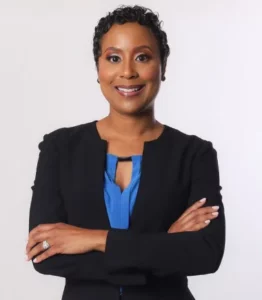
co‑founder
Katrina Brown is a highly sought-after trial attorney, known for her courageous spirit and genuine desire to seek justi[...]