Table of Contents
Brain injuries can change a person’s life in an instant. They often occur due to accidents, falls, vehicle collisions, or workplace incidents. The effects can be physical, cognitive, and emotional, sometimes lasting a lifetime. Because the brain is complex and sensitive, how quickly treatment begins can make a significant difference in recovery outcomes. Understanding why early intervention is critical can help families, caregivers, and patients make informed decisions after an injury.
Recognizing Brain Injuries Early
Not all brain injuries are immediately obvious. Some are visible, like open head wounds or clear loss of consciousness. Others, like concussions or mild traumatic brain injuries, may show subtler signs. Headaches, dizziness, confusion, memory lapses, and mood changes are often early indicators. Recognizing these signs and seeking medical evaluation right away is crucial.
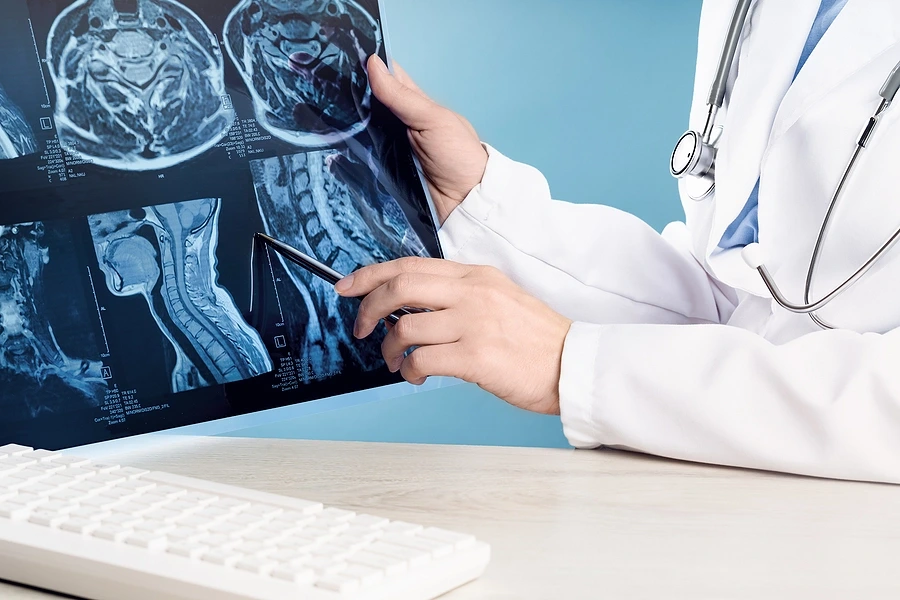
Prompt evaluation at a hospital or specialized clinic can identify injuries that would otherwise go unnoticed. Imaging tests, neurological exams, and cognitive assessments help doctors understand the extent of the injury and create a plan for care. Early detection can prevent minor problems from turning into major complications.
The Benefits of Early Rehabilitation
Once a brain injury is identified, starting rehabilitation quickly is essential. Early rehabilitation can include physical therapy, occupational therapy, speech therapy, and cognitive exercises. These interventions are designed to restore function, prevent secondary problems, and support the patient’s independence.
Physical therapy helps with balance, coordination, and strength. Occupational therapy focuses on daily activities like dressing, cooking, and managing personal care. Speech therapy addresses communication and swallowing difficulties. Cognitive therapy targets memory, attention, and problem-solving skills. When these therapies start early, patients often experience better recovery outcomes and shorter rehabilitation periods.
Research shows that the brain is most adaptable immediately after an injury. This period, often called the “critical window” of neuroplasticity, allows the brain to rewire and compensate for damaged areas more effectively. Delaying therapy reduces the chances of making full use of this adaptability. Early intervention maximizes the potential for improvement, even in cases of severe injury.
Preventing Complications Through Prompt Care
Brain injuries can lead to complications if not addressed quickly. These include seizures, infections, pressure buildup inside the skull, and long-term cognitive or behavioral issues. Early medical care can reduce the risk of these complications by monitoring the patient closely, managing symptoms, and providing timely interventions.
For example, intracranial bleeding may not be immediately obvious but can be life-threatening if untreated. Swift diagnosis through imaging can allow surgical or medical treatment before permanent damage occurs. Similarly, early therapy for mobility issues can prevent muscle atrophy, joint stiffness, and bedsores. Timely care is not just about recovery—it can save lives and reduce long-term disability.
Emotional and Psychological Support
Brain injuries affect more than just physical abilities. They often lead to anxiety, depression, irritability, and difficulty adjusting to daily life. Families and caregivers also experience stress, uncertainty, and emotional strain. Early intervention should include mental health support for both the patient and their support system.
Psychologists, counselors, and social workers can help patients process the trauma and develop coping strategies. Early involvement of mental health professionals can prevent long-term psychological challenges and improve overall recovery. In some cases, emotional support can be just as important as physical therapy, particularly when patients struggle with identity changes or cognitive limitations.
Legal Considerations in Brain Injury Cases
Many brain injuries result from accidents caused by another party’s negligence. In these situations, pursuing legal action may be necessary to cover medical expenses, rehabilitation costs, and long-term care. Early documentation of the injury and treatment can strengthen a personal injury case.
Medical records, therapy notes, and imaging reports provide a detailed timeline of the injury and recovery efforts. This documentation can demonstrate the severity of the injury, the care required, and the ongoing impact on the patient’s life. Legal professionals often rely on this information to establish liability and ensure fair compensation.
Families and patients should consult with an experienced personal injury lawyer as soon as possible. Lawyers can guide clients through the claims process, communicate with insurance companies, and coordinate with medical experts. Acting early helps protect legal rights while the case is still fresh and evidence is readily available.
The Role of Caregivers in Early Recovery
Caregivers play a crucial role in early brain injury recovery. They help manage medications, attend therapy sessions, and monitor symptoms. They also provide emotional support and help maintain a safe environment for the patient.
Training and guidance from healthcare professionals can empower caregivers to recognize warning signs and respond appropriately. Early involvement of caregivers improves adherence to therapy plans, encourages consistency, and can prevent setbacks. Their support often makes the difference between steady progress and prolonged recovery.
Planning for Long-Term Needs
Even with early intervention, brain injury recovery can be unpredictable. Some patients regain full function, while others experience lasting limitations. Early planning allows families to prepare for ongoing medical needs, home modifications, and financial considerations.
Discussions with healthcare providers, therapists, and legal professionals help identify potential challenges and resources. Establishing care plans, financial safeguards, and support networks early on can reduce stress and provide stability during recovery.
Conclusion
Brain injuries require immediate attention and a coordinated approach to care. Recognizing the injury early, starting rehabilitation quickly, preventing complications, and addressing emotional and legal needs all contribute to better outcomes. Families and patients who act promptly often see faster progress, improved independence, and a higher quality of life.
In Jackson, personal injury lawyers can help individuals and families navigate the medical and legal challenges that follow a brain injury. Seeking guidance early, along with timely medical intervention, ensures that patients receive the care, support, and compensation they deserve. Brain injuries are life-altering, but early action can make a measurable difference in recovery and long-term well-being.

co‑founder
Katrina Brown is a highly sought-after trial attorney, known for her courageous spirit and genuine desire to seek justi[...]